
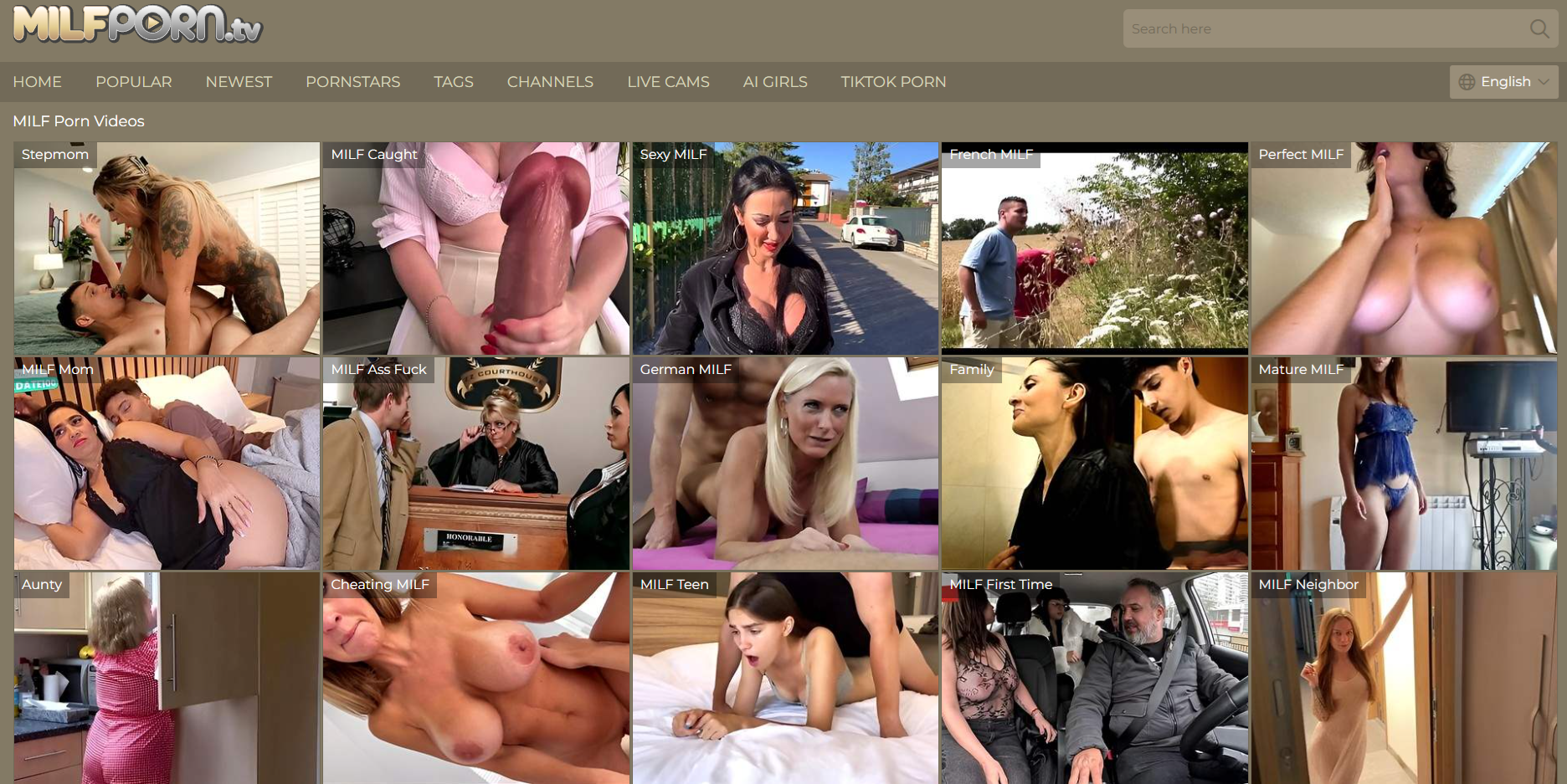
The Evolution of Free Streaming Platforms and the Changing Nature of Online Viewing BehaviorThe digital entertainment landscape has changed dramatically over the past decade. With the rise of high-speed internet, mobile-first browsing, and on-demand access, users now expect streaming platforms to deliver content instantly, efficiently, and without unnecessary complexity. This shift has led to the rapid growth of free streaming platforms that focus on usability, accessibility, and performance rather than traditional subscription-based models.Modern users are no longer satisfied with slow-loading websites or complicated navigation systems. Instead, they prefer platforms that offer clean design, fast performance, and personalized discovery features. This shift in behavior is also influencing how audiences search for content, including popular queries like free porn milf where users expect instant access, smooth browsing, and relevant recommendations. As a result, the streaming industry has evolved into a highly competitive space where user experience is just as important as content availability.Why Free Streaming Platforms Are Growing RapidlyOne of the main reasons free streaming platforms continue to grow is accessibility. Users prefer platforms that allow instant entry without financial or technical barriers.Key advantages include:No subscription or payment requirementsInstant access to large content librariesEasy navigation and browsing structureCompatibility across mobile and desktop devicesQuick onboarding without registration complexityThis level of accessibility makes free platforms highly attractive, especially for users who value speed and convenience over structured membership systems.The Shift Toward User-Centric DesignModern streaming platforms are built around user experience rather than just content volume. The focus has shifted from hosting large libraries to delivering smooth and intuitive browsing experiences.User-centric design includes:Minimalist interface layoutsFast-loading pages and previewsClear category organizationReduced visual clutterSmooth transitions between sectionsThese design improvements help users find content faster and reduce frustration during browsing.How User Behavior Has Changed OnlineUser behavior in the streaming ecosystem has become faster and more selective. Instead of long browsing sessions, users now interact in short, decision-driven bursts.Common behavior patterns include:Scanning previews quickly before clickingMaking rapid selection decisionsSwitching between categories frequentlyPreferring visually organized layoutsThis shift highlights the importance of visual clarity and structured navigation systems in modern platforms.Speed as a Core Performance FactorSpeed is one of the most critical elements of any successful streaming platform. Even a slight delay can significantly impact user engagement and retention rates.To maintain performance, platforms focus on:Optimized media compression techniquesFaster server response timesEfficient content delivery networksLightweight page structuresA fast and responsive platform ensures users remain engaged and reduces the likelihood of early exits.Mobile Optimization and Modern AccessibilityWith mobile devices dominating internet usage globally, streaming platforms must prioritize mobile-first design. Users expect seamless performance regardless of screen size or device type.Mobile optimization includes:Fully responsive layoutsTouch-friendly navigation systemsFast loading on mobile networksSmooth scrolling and interaction flowA strong mobile experience ensures users can access content anytime, anywhere, without limitations.Content Discovery and Smart NavigationAs content libraries continue to expand, discovery systems play a vital role in improving user experience. Users prefer platforms that guide them toward relevant content instead of requiring manual searching.Effective discovery systems include:Category-based browsing structuresTrending and popular sectionsTag-based filtering systemsSmart recommendation enginesThese features reduce browsing effort and increase engagement by making content easier to find.The Importance of Visual PresentationVisual design is often the first impression users have of a platform. A clean and structured layout improves usability and builds trust.Strong visual presentation includes:High-quality preview elementsConsistent design across pagesBalanced spacing and alignmentClear hierarchy of contentGood design not only enhances aesthetics but also improves navigation efficiency.Personalization and Intelligent RecommendationsOne of the fastest-growing trends in streaming platforms is personalization. Users now expect platforms to understand their preferences and deliver relevant suggestions automatically.Key personalization features include:AI-based recommendation systemsRecently viewed trackingAdaptive content suggestionsBehavior-driven filteringWhy Free Platforms Continue to DominateFree streaming platforms continue to dominate because they align with modern digital expectations. Users prefer instant access, minimal effort, and fast performance.Growth factors include:Increasing global internet penetrationMobile-first browsing behaviorDemand for instant content consumptionAdvancements in streaming technologyThese factors ensure continued growth and relevance of free platforms in the digital ecosystem.Future Trends in Streaming TechnologyThe future of streaming platforms is driven by automation, intelligence, and speed. Platforms are becoming more adaptive and user-focused.Emerging trends include:AI-powered content discoveryFaster adaptive streaming systemsEnhanced personalization featuresSmarter search and filtering toolsThese innovations aim to make content discovery faster, more accurate, and more intuitive.ConclusionFree streaming platforms have transformed the way users consume digital video content. By focusing on speed, simplicity, and personalization, they offer a more efficient alternative to traditional models. As user expectations continue to evolve, platforms that prioritize performance, usability, and structured content delivery will remain at the forefront of the industry.